The Old Way Doesn't Work Anymore
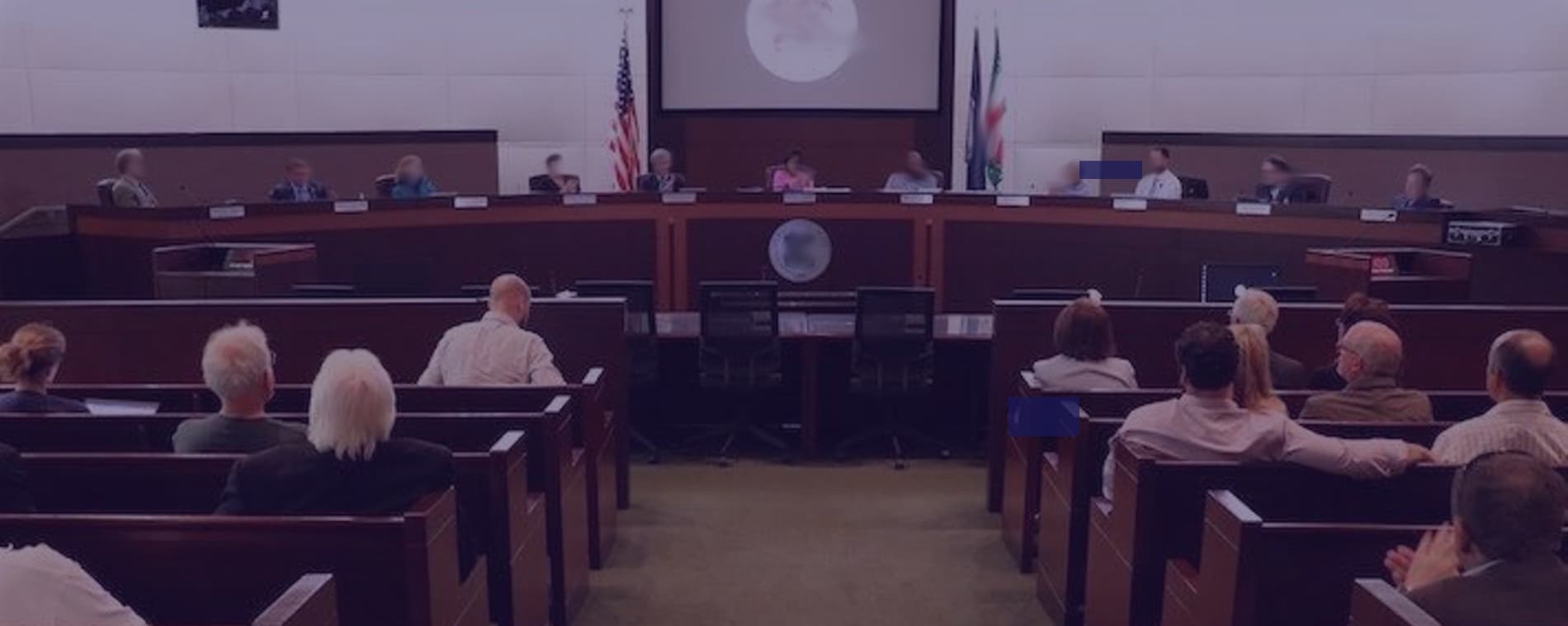
A decade ago, many developers viewed public hearings as a box to check — a formality before moving forward with plans that had been made in boardrooms far removed from the neighborhoods they would affect. Those days are over.
In Northern Virginia's competitive regulatory environment, community opposition can add years and millions of dollars to a project timeline. The developers who consistently win approval aren't the ones with the biggest lobbying budgets. They're the ones who showed up first.
What "Showing Up First" Looks Like
Effective community engagement starts 12 to 18 months before a project goes to the planning commission. It involves:
- Neighborhood listening sessions — not presentations, but genuine conversations where residents share their concerns before plans are finalized
- One-on-one meetings with homeowner associations, civic leaders, and neighboring business owners
- Transparent project websites that provide plain-language updates throughout the process
- Responsive communication channels so residents can get answers without filing FOIA requests
Turning Opposition Into Advocacy
At TCG Strategic Communications, we've helped real estate clients transform vocal opponents into some of their strongest advocates. The key is treating concerns as legitimate — because they usually are.
When a client wanted to build a major mixed-use development near a residential neighborhood in Loudoun County, residents were initially opposed due to traffic and density concerns. By convening a working group of residents, transportation engineers, and our client's design team, we were able to incorporate meaningful changes into the project — and the same residents who had organized opposition showed up to the planning commission to speak in support.
The Business Case Is Clear
Beyond the goodwill, the business case for proactive community engagement is compelling:
- Projects with broad community support move through the approval process faster
- Fewer legal challenges means lower carrying costs
- Community advocates become long-term customers and brand ambassadors
- Political relationships built during the process pay dividends for future projects
Our Approach
Every community is different. What works in Prince William County may not work in Fairfax County. We bring deep knowledge of each jurisdiction's political landscape, media environment, and community organizations to every engagement we undertake.
TCG has helped real estate developers across Northern Virginia navigate community engagement challenges. Learn more about our work.